About polycythemia vera (PV)

Living with PV
Living with PV may mean ongoing challenges with hematocrit (HCT) control and symptoms, like fatigue
Polycythemia vera (polly-sy-THEE-me-uh VEER-uh) or PV, is a rare, chronic blood cancer that affects about 90,000 people in the United States. In PV, the body makes too many red blood cells, a condition known as erythrocytosis. When this happens, the blood can become thicker than normal.
For some people, living with PV may mean ongoing challenges with keeping HCT controlled and managing symptoms, like fatigue, that can affect daily life.
For some people, living with PV may mean ongoing challenges with keeping HCT controlled and managing symptoms, like fatigue, that can affect daily life.
HCT below 45%
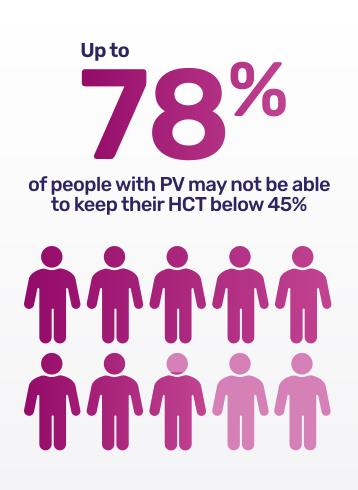
Keeping HCT below 45% matters
Hematocrit, or HCT, is the percentage of red blood cells in your blood. In PV, too many red blood cells can cause HCT to rise.
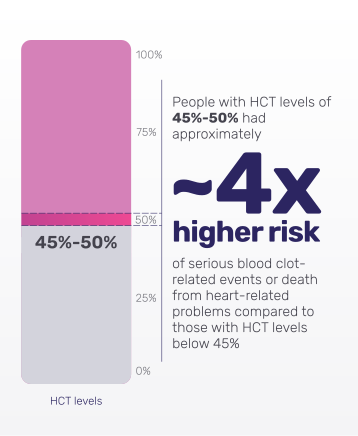
When your HCT remains too high (45% or above) it can make your blood thicker, and it may not flow as easily. This can increase the risk of serious complications, such as: blood clots, heart problems, and strokes.
When your HCT remains too high (45% or above) it can make your blood thicker, and it may not flow as easily. This can increase the risk of serious complications, such as: blood clots, heart problems, and strokes.
Symptoms
Symptoms can still affect day-to-day life
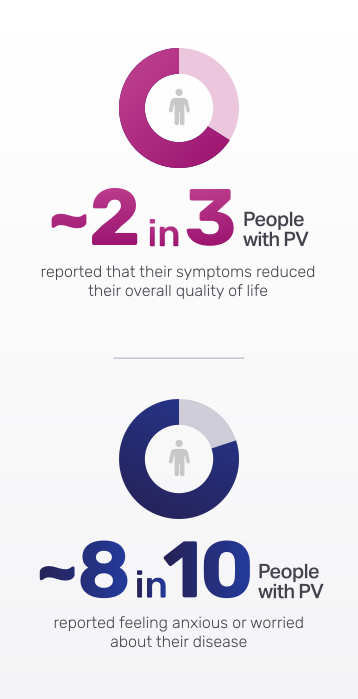
Symptoms of PV, like fatigue, and the burden of keeping HCT under control (below 45%) can cause a strain on your mental and physical well-being.
To control your HCT, you may need ongoing monitoring and management, including frequent and sometimes disruptive rescue phlebotomies.
The frequency and duration of appointments can affect your mood, sleep, work, and relationships.
To control your HCT, you may need ongoing monitoring and management, including frequent and sometimes disruptive rescue phlebotomies.
The frequency and duration of appointments can affect your mood, sleep, work, and relationships.
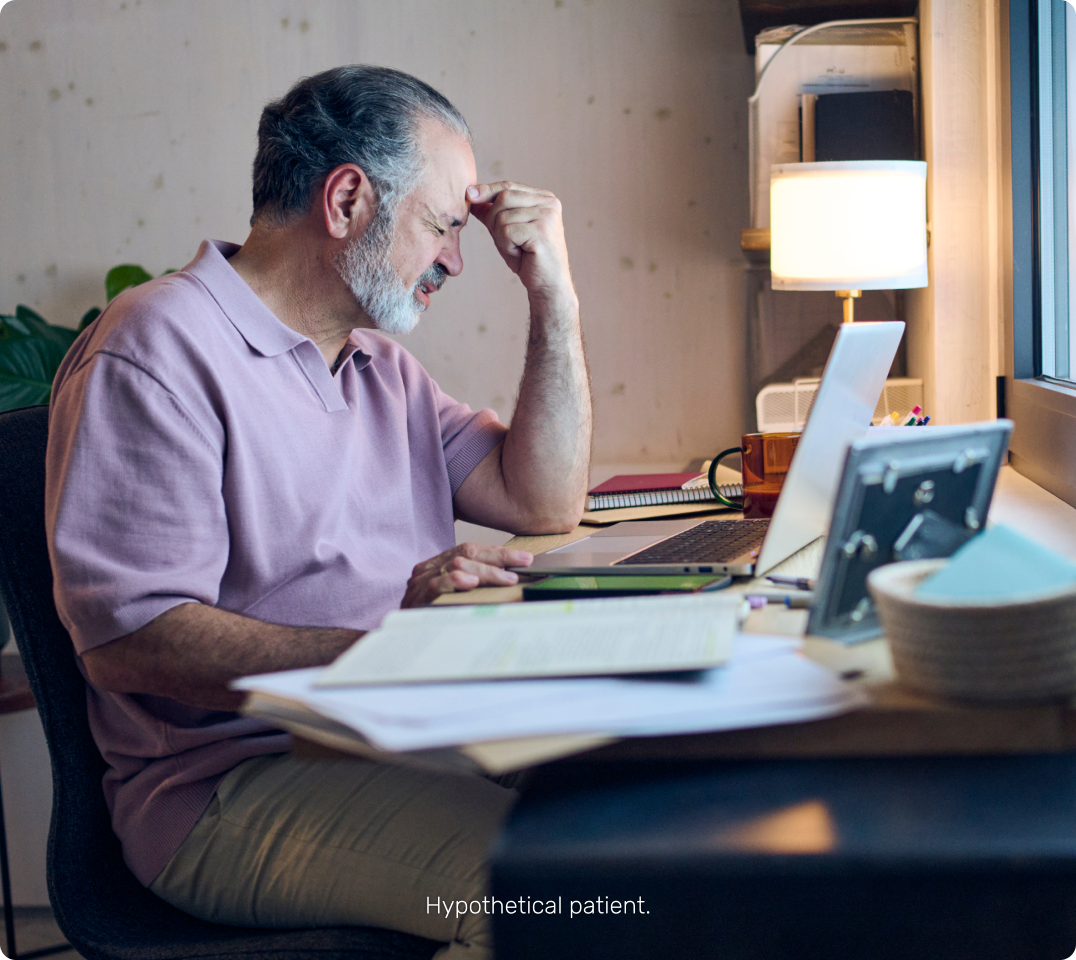
You may experience ongoing fatigue related to your PV that can affect your day-to-day life